Jericho Turnpike Locksmith Service Team
Local locksmith team
Mar 20, 2026 10 min read
Running a storefront on Jamaica Avenue or managing an office suite near Queens Center Mall means your locks are working harder than most people realize — every employee shift change, every delivery, every late-night close is another moment your access control system either earns its keep or exposes a gap. Whether you're opening your first location or tightening up a space you've operated for years, having a structured checklist makes the difference between a security setup that actually works and one that just looks like it does.
This guide is built specifically for Queens small business owners. We'll walk through mortise lock selection, master key systems, panic hardware, keypad entry, and the rekeying decisions that keep your business protected without turning key management into a second job. Where rekeying comes up — and it will come up often — we'll explain exactly what that process involves, what affects the price, and when to call a professional rather than tackle it yourself.
## Start at the Front Door: Mortise Lock vs. Door Knob Lock — Which Does Your Storefront Actually Need?
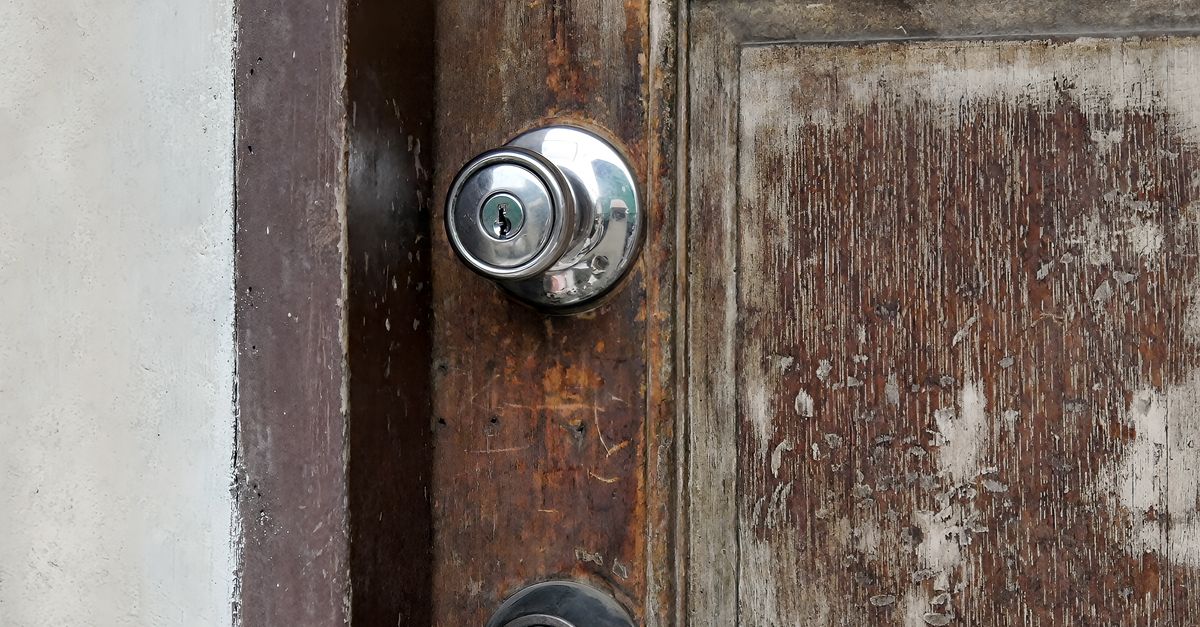
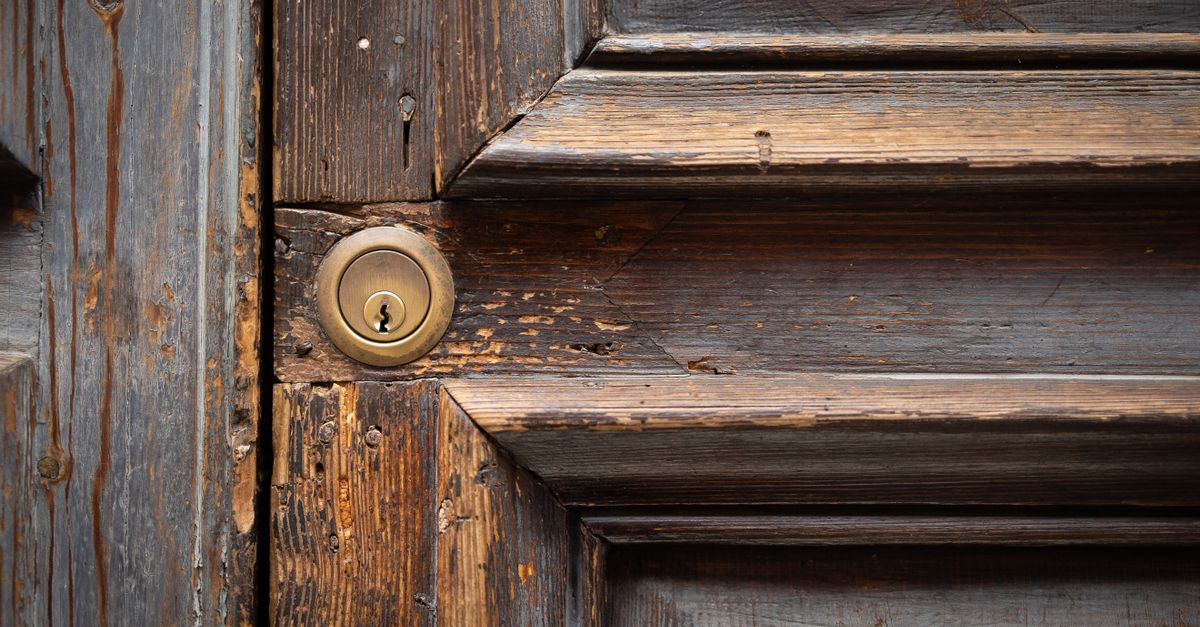
The single most important hardware decision for a Queens commercial space is the lock type on your primary entry. A standard door knob lock — the kind found on countless residential doors — is not built for the punishment a busy storefront delivers. The latch mechanism is smaller, the internal components wear faster, and the cylinder is easier to compromise under sustained pressure. A mortise lock, by contrast, is recessed directly into the door body, distributing force across the full edge of the door rather than concentrating stress on a single point. For any door that sees regular foot traffic — a salon on Hillside Avenue, a tax office near Flushing Main Street, a warehouse unit in Long Island City — a properly installed mortise lock is the appropriate commercial-grade choice.
Beyond durability, mortise locks give you more flexibility. They're compatible with a wider range of cylinder configurations, making them the natural foundation for a master key system or a hybrid setup that combines physical keys with electronic access. If your current front door is protected only by a door knob lock or a basic deadbolt, that's your first upgrade conversation. Our commercial locksmith team services the full Queens area and can assess your existing hardware during the same visit — call 347-960-6280 and we'll schedule a time that works around your hours.
## Rekeying vs. Replacing: What Does It Mean to Rekey a Lock, and When Is Each the Right Call?
One of the most common questions we hear from business owners — especially those taking over an existing space — is what does it mean to rekey a lock and whether it's actually as effective as installing new hardware. Rekeying is the process of reconfiguring the internal pin tumbens of an existing lock cylinder so that the old key no longer operates it and a new key does. The lock body, the strike plate, and the door prep all stay exactly as they are. It's a precise, professional procedure — not a shortcut — and when performed on quality hardware in good condition, it delivers the same security outcome as a full replacement at a fraction of the disruption.
So when does rekeying make sense for a Queens business, and when should you change the lock entirely? Rekey a lock when the hardware itself is in solid working order but key control has been lost — a former employee kept a copy, a contractor had access during a build-out, or you simply inherited the space and have no idea how many keys are floating around Astoria or Woodside. How to rekey a lock to match existing key sets (so your staff carries one key for multiple doors) is something our team handles routinely through master key programming. Replace the lock when the hardware is worn, when you're upgrading to a higher security grade, or when you're adding electronic access capability. The factors that shape the final quote include the lock type, the number of cylinders being rekeyed, and whether any parts are needed — we'll give you an exact price before any work begins.
## Master Key Systems, Keypad Entry, and Panic Hardware: Building Layered Access Control
A well-designed commercial access control system in Queens isn't a single lock on a single door — it's a hierarchy. A master key system lets you issue individual keys to employees that only open the doors relevant to their role, while a manager or owner key operates every lock in the building. This is not the same as handing everyone the same key and hoping for the best. Our commercial locksmith team designs and installs master key systems from the ground up, or retrofits them into existing mortise lock hardware, so access is compartmentalized from day one.
Keypad and electronic entry adds a second layer that eliminates key-cutting risk entirely — no unauthorized copies, full audit trails if you choose a networked system, and the ability to change codes without touching a single cylinder. Panic bars (also called exit devices) are a separate but equally critical piece: New York City commercial code requires them on specific door types, and a panic bar that isn't installed, maintained, or aligned correctly can fail the moment it matters most. If you're not certain whether your current setup meets local requirements, that's exactly the kind of site assessment our team is equipped to perform. Reach us any time at 347-960-6280 — we're available around the clock.
## How to Change a Lock the Right Way — and the Emergency Locksmith Situations That Can't Wait
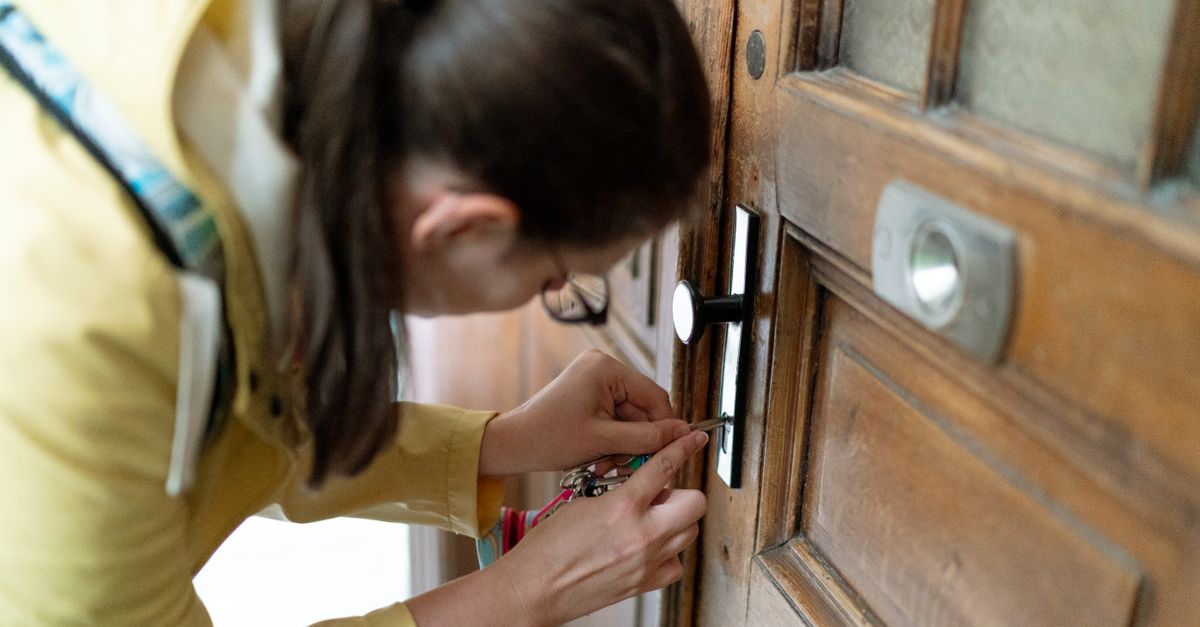
Knowing how to change a lock on a door is useful context for any business owner, even if the work itself should be handled professionally on commercial-grade hardware. The process involves removing the existing lock body, checking the door prep dimensions, installing the new unit at the correct backset, and verifying that the latch, deadbolt, and strike plate all align under real closing pressure. On a mortise lock, there are additional steps around the faceplate, the cylinder collar, and the cam — details where a measurement error translates directly into a security gap or a door that binds under weather changes.
Emergency locksmith situations are a different category entirely. A broken key inside a mortise lock cylinder, a snapped cam, a jammed panic bar at closing time on a Friday in Rego Park — these don't wait for a scheduled appointment. What you need in those moments is a mobile team that can reach your Queens location quickly, carry the right commercial hardware on the vehicle, and work without causing damage to the door frame or the lock body. Our emergency locksmith service runs 24 hours a day, seven days a week, and we serve the full Queens borough — from Far Rockaway to Jackson Heights. How much does an emergency locksmith cost near me? The final price depends on the time of day, the lock type involved, the parts required, and travel distance — and we confirm it with you before we start.
## Your 25-Point Queens Small Business Lock & Access Checklist
Use this list as a working document — check off what's already in place and flag everything that needs attention. 1. Mortise lock installed on primary customer entrance. 2. Door knob lock or secondary deadbolt on interior office doors. 3. All cylinders rekeyed since current ownership or tenancy began. 4. Master key system designed and documented — copies tracked. 5. Employee keys logged with names and issue dates. 6. Key return policy in signed employee agreements. 7. High-security cylinders on cash room or server room doors. 8. Keypad or electronic access on at least one entry point. 9. Access codes changed when staff turnover occurs. 10. Panic bar installed on all emergency exit doors where required by code. 11. Panic bar tested monthly — latch retracts fully, door swings clear. 12. Door closers adjusted so exit doors latch fully on their own. 13. Strike plates secured with 3-inch screws into the door frame stud. 14. Exterior door hinges are non-removable or protected by hinge bolts. 15. Glass near lock cylinders protected by secondary locking hardware. 16. Rear and side entry doors on separate key change from front. 17. Delivery entrance on a restricted key that cannot be duplicated without authorization. 18. Window locks on all ground-level windows inspected annually. 19. Safe or cash drawer lock rekeyed or combination changed at ownership change. 20. Spare keys stored securely off-site — not labeled with the business address. 21. Lockout plan documented — all managers know who to call after hours. 22. Emergency locksmith contact (347-960-6280) posted in manager's phone and break room. 23. Door frames inspected for rot, gaps, or separation that undermines any lock. 24. Security lighting at all exterior entry points — locks are only as effective as the visibility around them. 25. Annual professional lock inspection scheduled — cylinder wear, cam alignment, and strike plate condition checked by a qualified locksmith.
Work through this checklist once a year at minimum — and any time you have a staff change, a break-in attempt nearby, or a change in your space's layout. A Queens commercial locksmith who understands the specific demands of high-traffic urban storefronts will spot issues that aren't obvious to the untrained eye, including cylinder wear on a mortise lock that looks fine from the outside but is close to failure.
Frequently asked questions
Queens Locksmith FAQs: Do you offer 24/7 emergency locksmith services in Queens?+
Yes — our team operates around the clock, every day of the year, including holidays. Whether you're dealing with a broken mortise lock cylinder at 2 a.m. in Flushing or a snapped key in a panic bar on a Sunday afternoon in Astoria, call 347-960-6280 and a trained professional will be dispatched to your Queens location immediately.
How fast can a locksmith arrive at my location in Queens, NY?+
Arrival time depends on your specific location within Queens and current traffic conditions — the borough stretches from the Rockaways to the Bronx border, so a call from Long Island City will have a different response window than one from Springfield Gardens. What we can tell you is that we keep mobile units active throughout Queens at all hours, and we'll give you an honest estimated arrival time when you call 347-960-6280 rather than a number we can't stand behind.
What should I ask a locksmith before hiring them, and how much should a locksmith cost in NYC?+
Before any work begins, ask whether they will confirm the exact price upfront before starting — a professional locksmith should always do this with no exceptions. Ask whether they carry the specific commercial hardware your job requires, and whether they have experience with the lock type involved (mortise lock work, for example, requires different tooling and technique than a simple door knob lock swap). As for how much should a locksmith cost in NYC: the honest answer is that price is determined by several factors — the lock type and grade, the time of day, the parts required, and travel distance to your location. We provide an exact, confirmed quote before any work begins so there are no surprises on the invoice.
Can a locksmith program my key fob, and do you provide automotive locksmith and car lockout services in Queens?+
Yes on both counts. Our mobile team handles automotive locksmith work across Queens — including car lockouts, key fob programming, transponder key cutting, and ignition service for a wide range of makes and models. Whether you're locked out of your car near the Queens Center Mall parking structure or need a replacement key fob for a vehicle parked in Woodside, we can typically handle the work on-site. Call 347-960-6280 for expert pricing information — the quote will depend on your vehicle's make, the key or fob type, and the specific service needed.