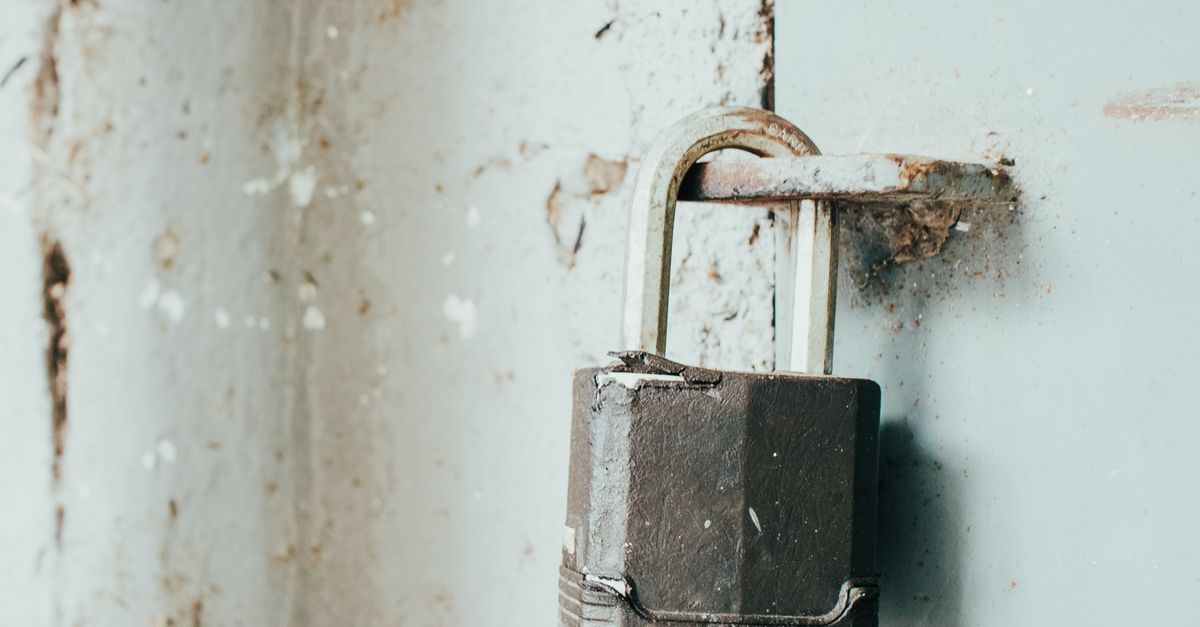
What Happens to Your Locks After a Break-In Attempt — and Why It Needs Same-Day Attention
A forced entry attempt rarely damages just the lock cylinder. The violence applied to a door — whether through kicking, prying, or drilling — typically compromises the mortise lock body itself, the surrounding door stile, the strike plate, the box keep in the frame, and sometimes the hinge side of the door. A mortise lock, which is the rectangular cartridge set into a routed pocket inside the door edge, is the workhorse of most Queens apartment buildings and attached row houses built before 1990. When the case cracks or the cam mechanism inside bends, the lock may still appear to turn while providing almost zero resistance to another push. Our technicians are trained to look beyond the obvious and assess every point of failure before recommending a repair path, because patching one component while leaving a compromised one in place is not a real fix.
Queens has a dense, varied housing stock — pre-war walk-ups along Northern Boulevard, two-family semi-detached homes in Middle Village, ground-floor commercial units on Jamaica Avenue — and each door type presents different vulnerabilities after a forced-entry attempt. A hollow-core interior door and a solid-steel commercial door require completely different repair approaches, and our mobile units carry parts for both. If you can see daylight through a gap that did not exist before, or if your door knob lock spins without catching, treat that as a same-day emergency and call 347-960-6280.