What Modern Car Key Replacement Actually Involves
The phrase 'cutting a new key' barely scratches the surface of what today's automotive security demands. A traditional steel key blank is cut on a code-cutting machine using either the VIN-based key code on file or a measurement taken directly from your lock cylinder — a precise mechanical process that our skilled technicians perform with professional-grade equipment right at your vehicle. But the mechanical cut is only step one. Almost every car manufactured in the past two decades also contains a transponder chip embedded in the key head, and that chip must be programmed to match your specific vehicle's ECU before the engine will turn over. Skipping or failing this step produces a key that turns the ignition barrel but leaves you with a car that refuses to start.
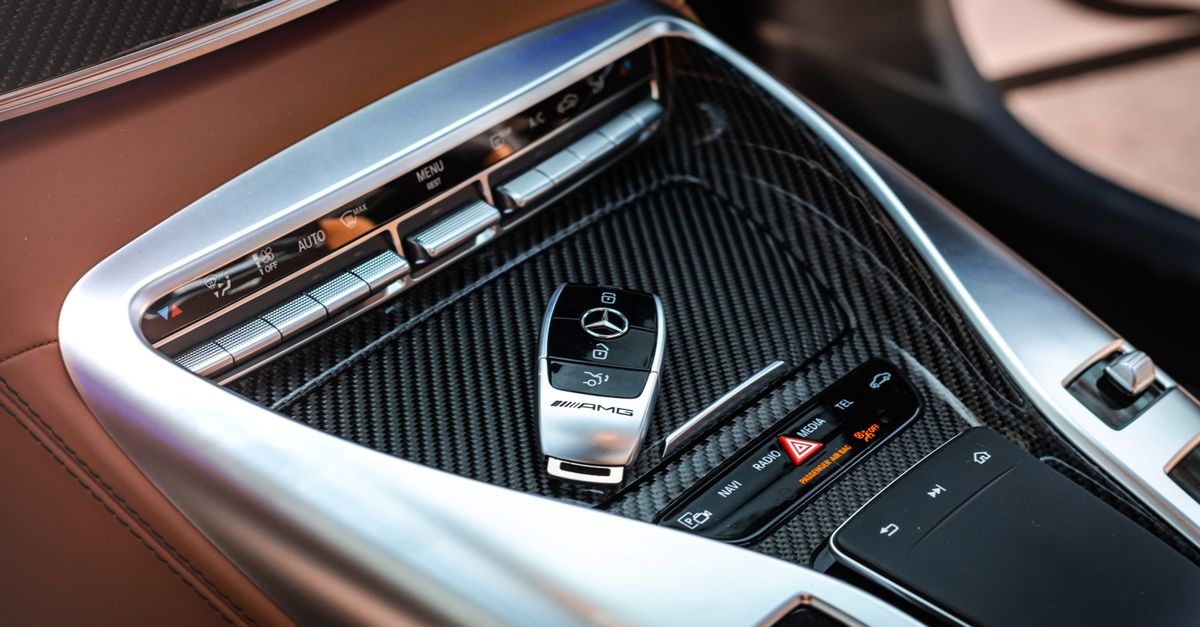
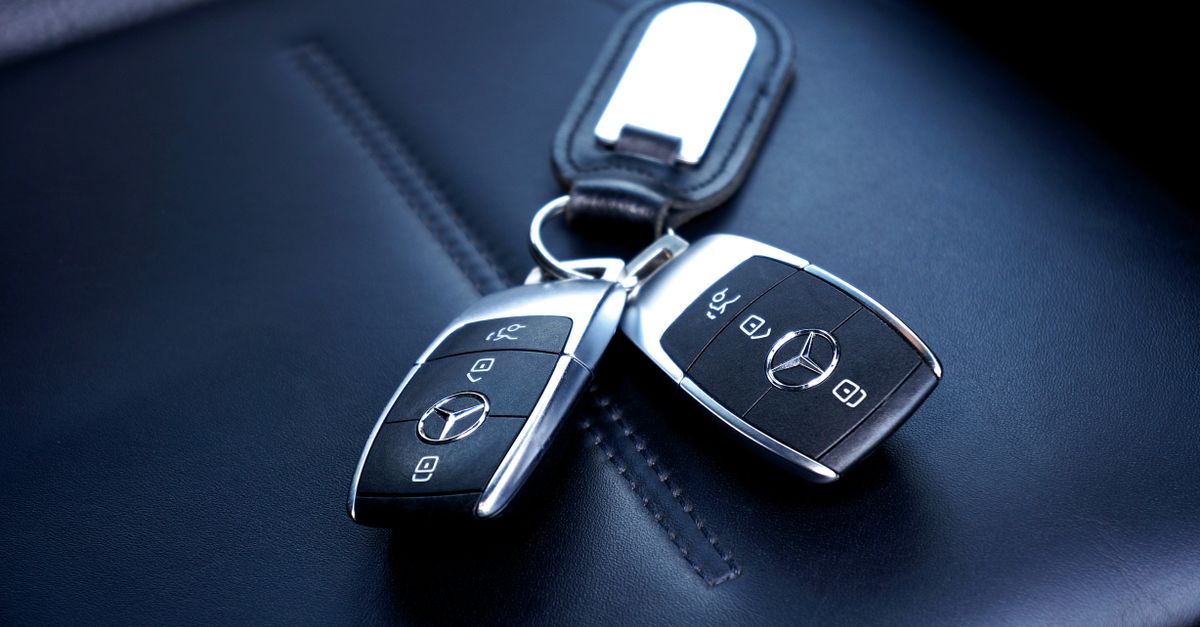
Smart keys and proximity fobs add another layer. These devices communicate wirelessly with your car using rolling security codes, meaning a replacement fob must be paired to your vehicle through an OBD-II diagnostic interface — the same port a dealer technician uses, now operated from the back of our mobile service vehicle. Our team is trained and equipped to complete transponder programming, remote pairing, and EEPROM-level key coding for brands including Toyota, Honda, Ford, Chevrolet, Nissan, Hyundai, Kia, BMW, Mercedes-Benz, Audi, Volkswagen, Jeep, Ram, Subaru, and more. If you're unsure whether your specific model is covered, call 347-960-6280 and one of our experts will confirm before we dispatch — we answer every hour of every day.