Signs You Need a Door Knob Lock Replacement — Not Just a Repair
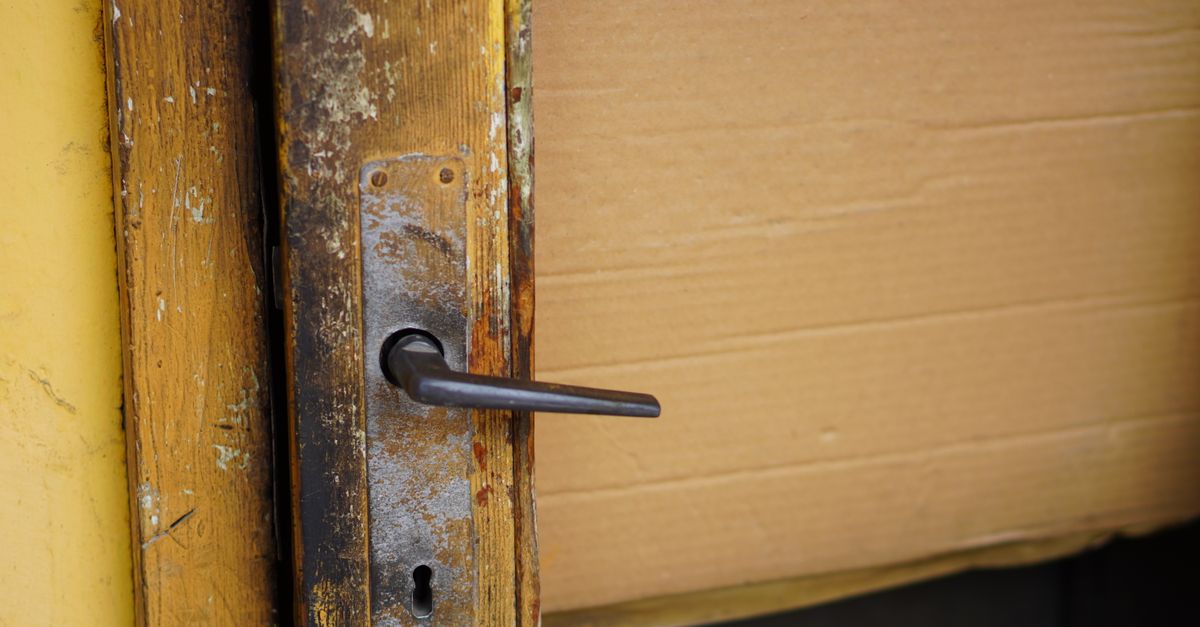
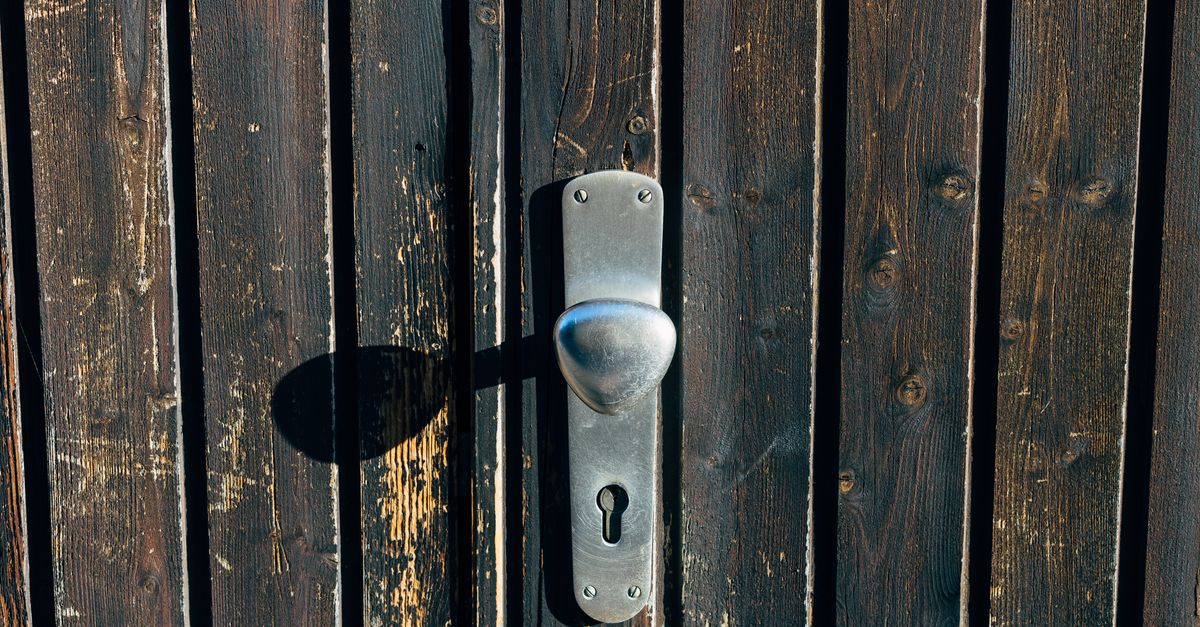
A knob that spins freely without engaging the latch, a cylinder that wobbles visibly in its housing, or a lock that no longer responds consistently to its own key are all signs that the mechanism inside has reached the end of its service life. In Queens rental buildings — where the same hardware can see a decade of heavy daily use from multiple tenants — these symptoms appear far sooner than most owners expect. Rust, salt air from the coast near Rockaway, and repeated forced-entry attempts all accelerate wear on standard knob locks. Patching a failing mechanism rarely adds meaningful life; a full door knob lock replacement with quality hardware is almost always the more cost-effective path.
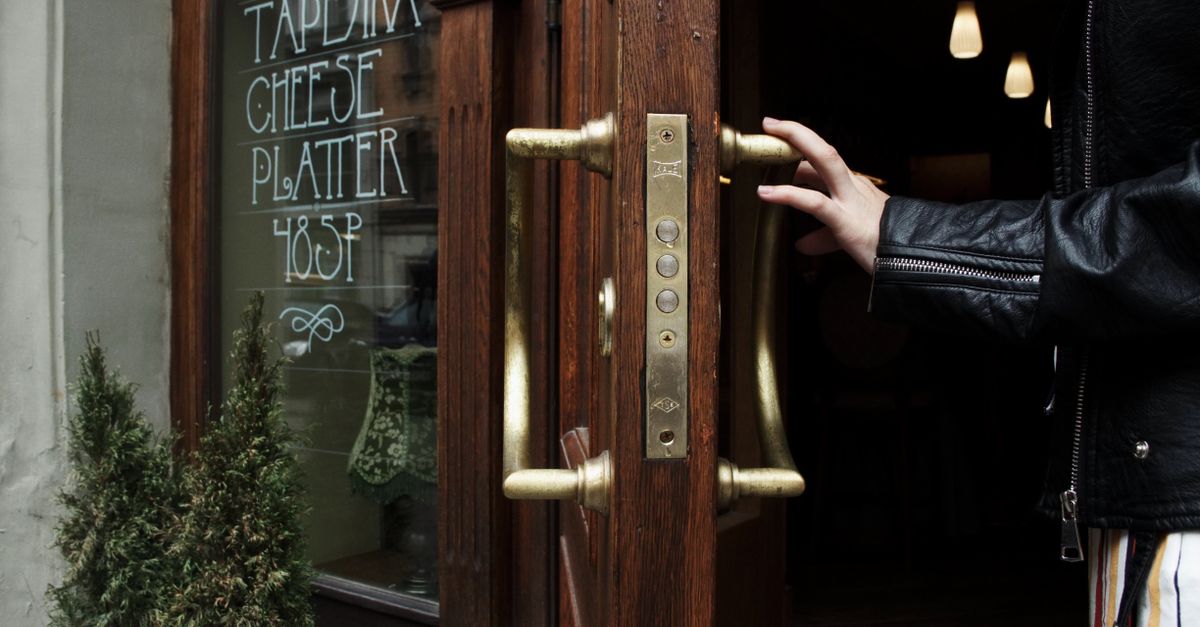
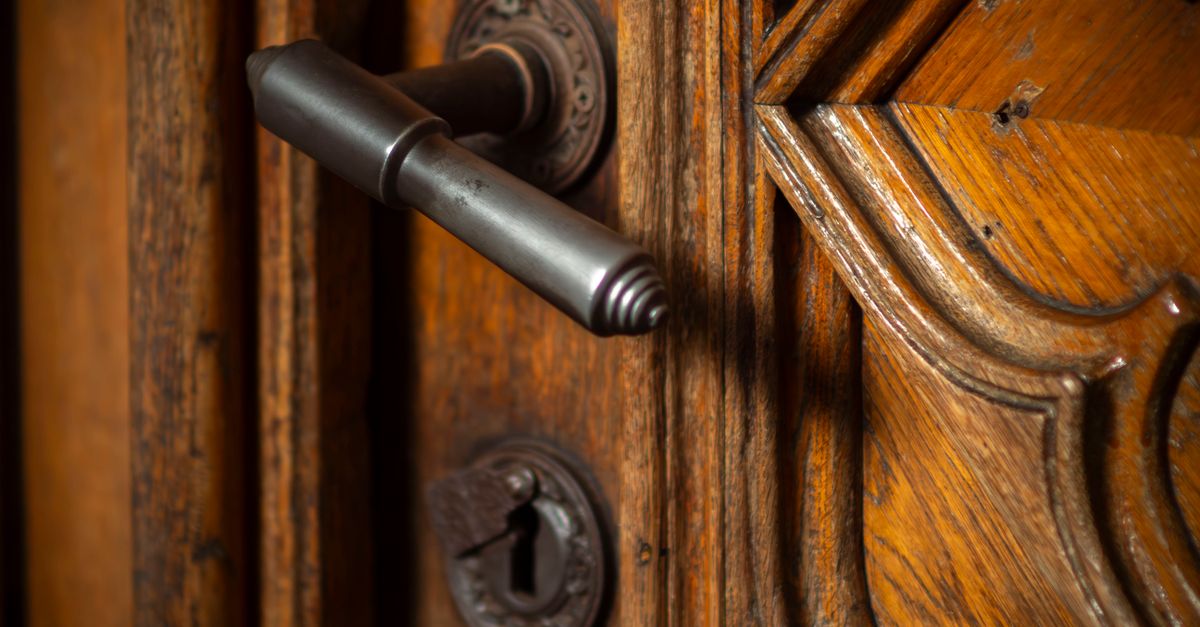
There is also a security argument for replacement rather than repair. Standard knob locks, particularly older tubular designs installed without a deadbolt backup, are among the easiest hardware types for an intruder to compromise — not through any sophisticated technique, but simply because the knob itself acts as a lever. Pairing a new knob lock with a mortise lock or a deadbolt dramatically raises the effort required. Our technicians can assess your door prep and recommend the right combination for your specific door thickness, frame condition, and use case — whether that is a double lock door knob setup for an entry door or a keyed privacy knob for a home office.